
- Details
- Hits: 2553
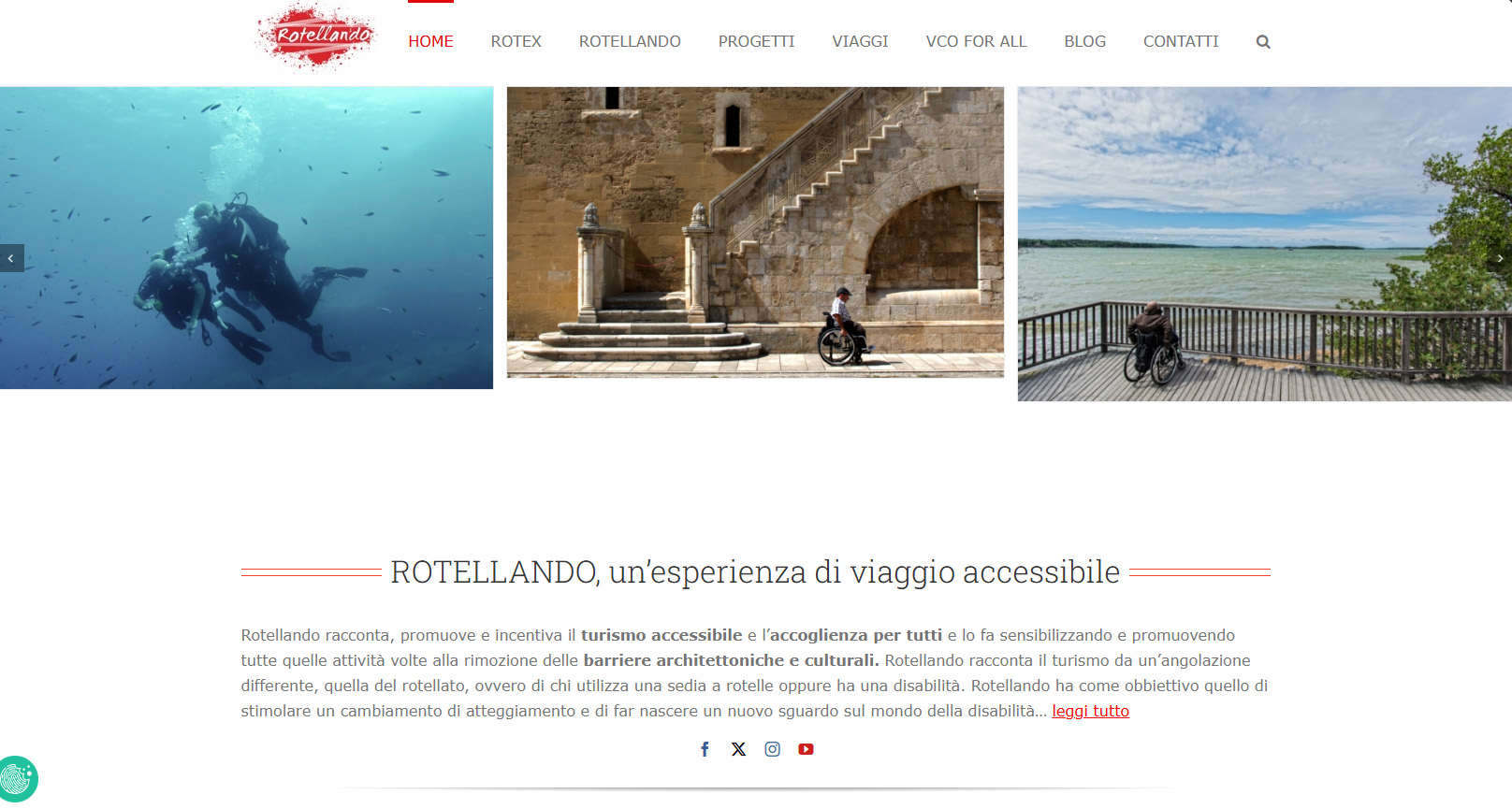
- Description: Fabrizio Marta, known as Rotex or “Rotellando,” is an Italian blogger and traveler from Villadossola. Born on June 24, he lives with osteogenesis imperfecta and travels by wheelchair, yet he has made exploration his passion. He documents his journeys via rotellando.it, Instagram, YouTube, and other platforms, showing that disability is not a barrier to discovering the world
- Alias-Pseudonimo-Pseudonyme: Rotex, Rotellando
- Nationality-Nazionalità-Nationalité: Italy, Italia, Italie
- Birth/death-Nascita/morte-Naissance/mort: -
- Means of transport-Mezzo di trasporto-Moyen de transport: Various, Diversi, Différents
- Geographical description-Riferimento geografico-Référence géographique: Various, Diversi, Différents
- Internet: http://www.rotellando.it
- Multimedia: https://www.youtube.com/watch?v=RL6mFFK2f4E
- Details
- Hits: 1718
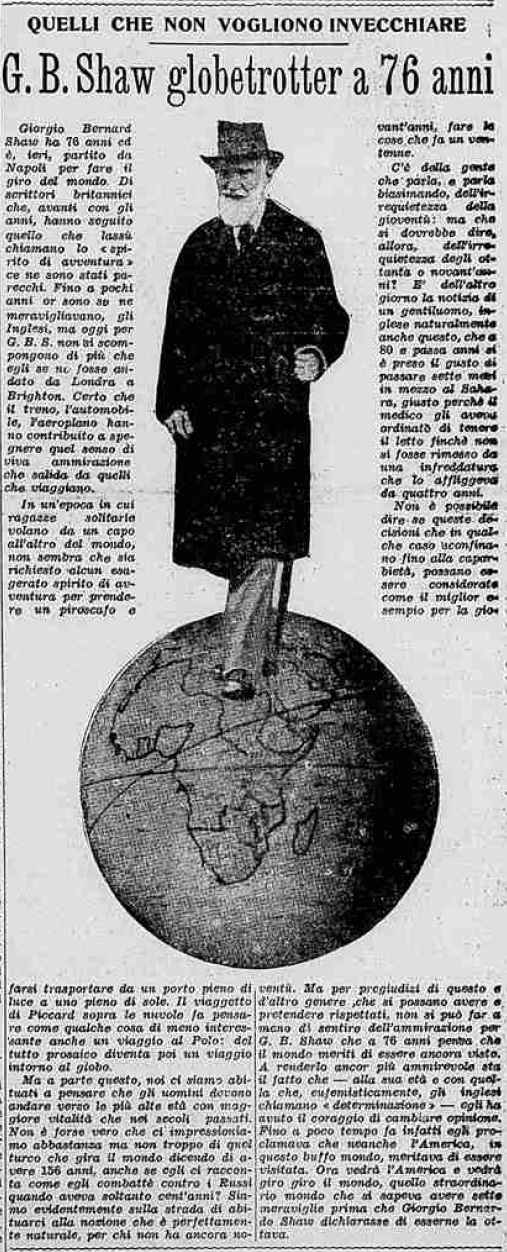
- Description: According to Italian press reports, at the age of 76 George Bernard Shaw set out from Naples on a journey around the world. His decision was portrayed as an example of “adventurous spirit” in old age, at a time when global travel had become less extraordinary due to advances in modern transport. The article noted that Shaw had previously declared that “not even America was worth visiting,” highlighting the reversal of opinion that led him to include the United States in his route
- Alias-Pseudonimo-Pseudonyme: -
- Nationality-Nazionalità-Nationalité: UK, Inglese, Anglais
- Birth/death-Nascita/morte-Naissance/mort: -
- Means of transport-Mezzo di trasporto-Moyen de transport: Various, Diversi, Différents
- Geographical description-Riferimento geografico-Référence géographique: Around the World, Giro del mondo, Tour du monde
- Internet: https://en.wikipedia.org/wiki/George_Bernard_Shaw
- Wikidata: https://www.wikidata.org/wiki/Q19185
- Additional references-Riferimenti complementari-Références complémentaires: La Stampa della Sera, December 20, 1932.
- Details
- Hits: 2813
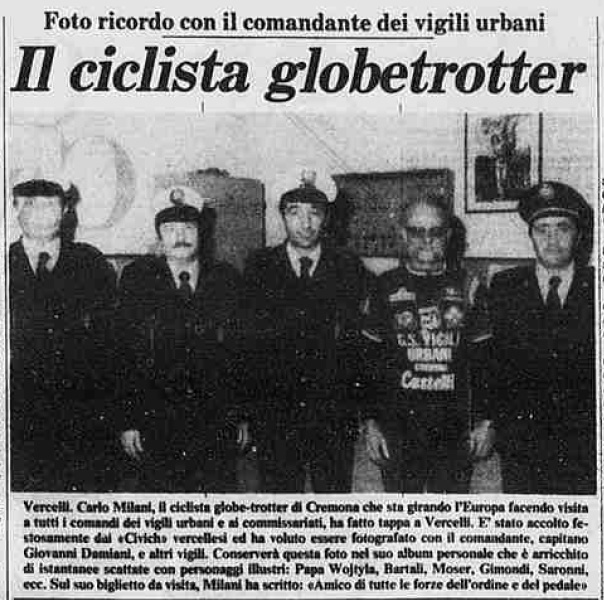
- Description: Carlo Milani, a cyclist from Cremona, Italy, spent the early 1980s traveling across Europe by bicycle, visiting police headquarters and municipal police commands. In November 1981, he stopped in Vercelli, where he was received by local officers and photographed with Commander Giovanni Damiani. His personal album included snapshots with prominent figures such as Pope John Paul II, Banali, Moser, Gimondi, and Saronni. On his business card he described himself as “a friend of all law enforcement and of cycling”
- Alias-Pseudonimo-Pseudonyme: -
- Nationality-Nazionalità-Nationalité: Italy, Italia, Italie
- Birth/death-Nascita/morte-Naissance/mort: -
- Means of transport-Mezzo di trasporto-Moyen de transport: Bike, Bicicletta, Vélo
- Geographical description-Riferimento geografico-Référence géographique: Europe, Europa
- Additional references-Riferimenti complementari-Références complémentaires: La Stampa, November 5, 1981.
- Details
- Hits: 2423
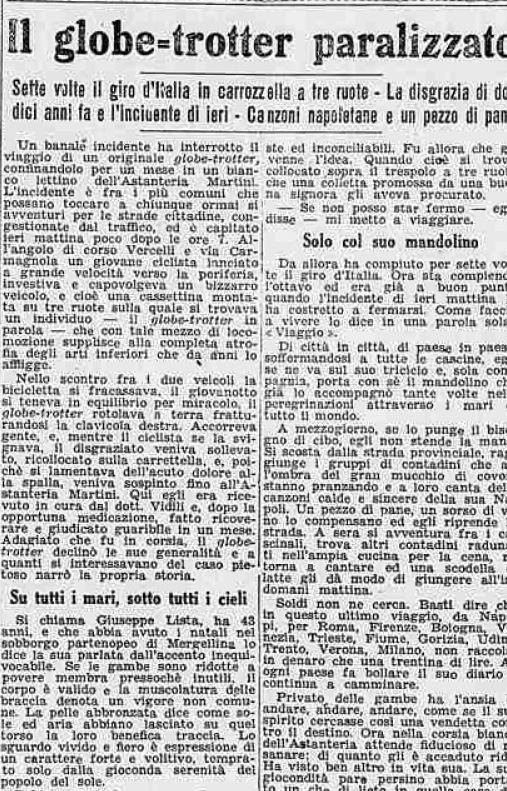
- Description: According to Italian press reports from September 1932, Giuseppe Lista, aged 43, was said to have completed the “Giro d’Italia” seven times using a three-wheeled carriage. The article described his travels as an unusual and enduring feat
- Alias-Pseudonimo-Pseudonyme: -
- Nationality-Nazionalità-Nationalité: Italy, Italia, Italie
- Birth/death-Nascita/morte-Naissance/mort: 1889-
- Means of transport-Mezzo di trasporto-Moyen de transport: On foot, A piedi, A pied
- Geographical description-Riferimento geografico-Référence géographique: Italy, Italia, Italie
- Additional references-Riferimenti complementari-Références complémentaires: La Stampa, September 28, 1932.
- Details
- Hits: 1871
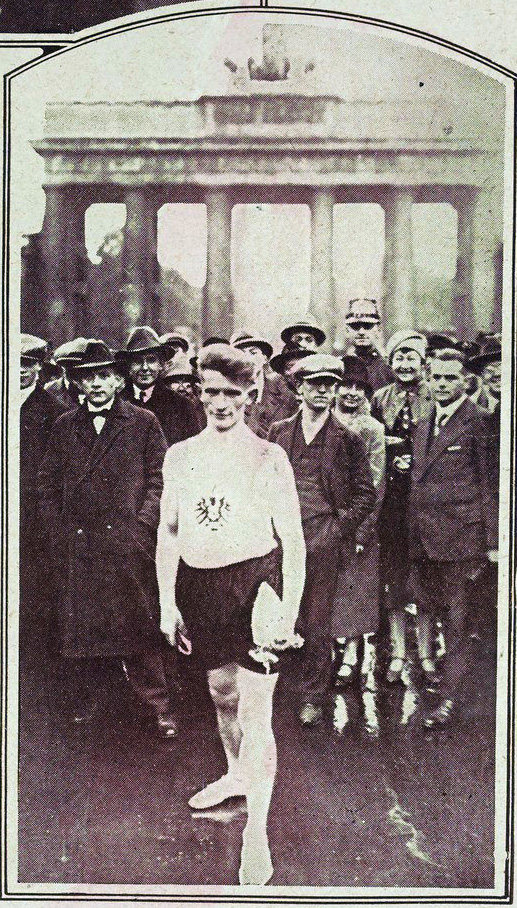
- Description: Franz Dziadek, a long-distance runner from East Prussia, launched in 1928 a global footrace known as the “Hindenburg run around the world,” with the sanction of German President Paul von Hindenburg. On October 1, 1928, he departed Berlin’s Brandenburg Gate, accompanied by friends and supporters, with the goal of circling the globe and returning on the President’s 82nd birthday. His planned route included Munich, Vienna, Budapest, Constantinople, Cairo, Jerusalem, Tehran, Afghanistan, and Australia. From Sydney he intended to sail to San Francisco, run across the United States to New York, and return via Rotterdam to Berlin
- Alias-Pseudonimo-Pseudonyme: -
- Nationality-Nazionalità-Nationalité: Germany, Germania, Allemagne
- Birth/death-Nascita/morte-Naissance/mort: -
- Means of transport-Mezzo di trasporto-Moyen de transport: On foot, A piedi, A pied
- Geographical description-Riferimento geografico-Référence géographique: Around the World, Giro del mondo, Tour du monde
- Additional references-Riferimenti complementari-Références complémentaires: The Paris Time, October 21, 1928. The New York Times, October 1, 1928.
- Details
- Hits: 1884
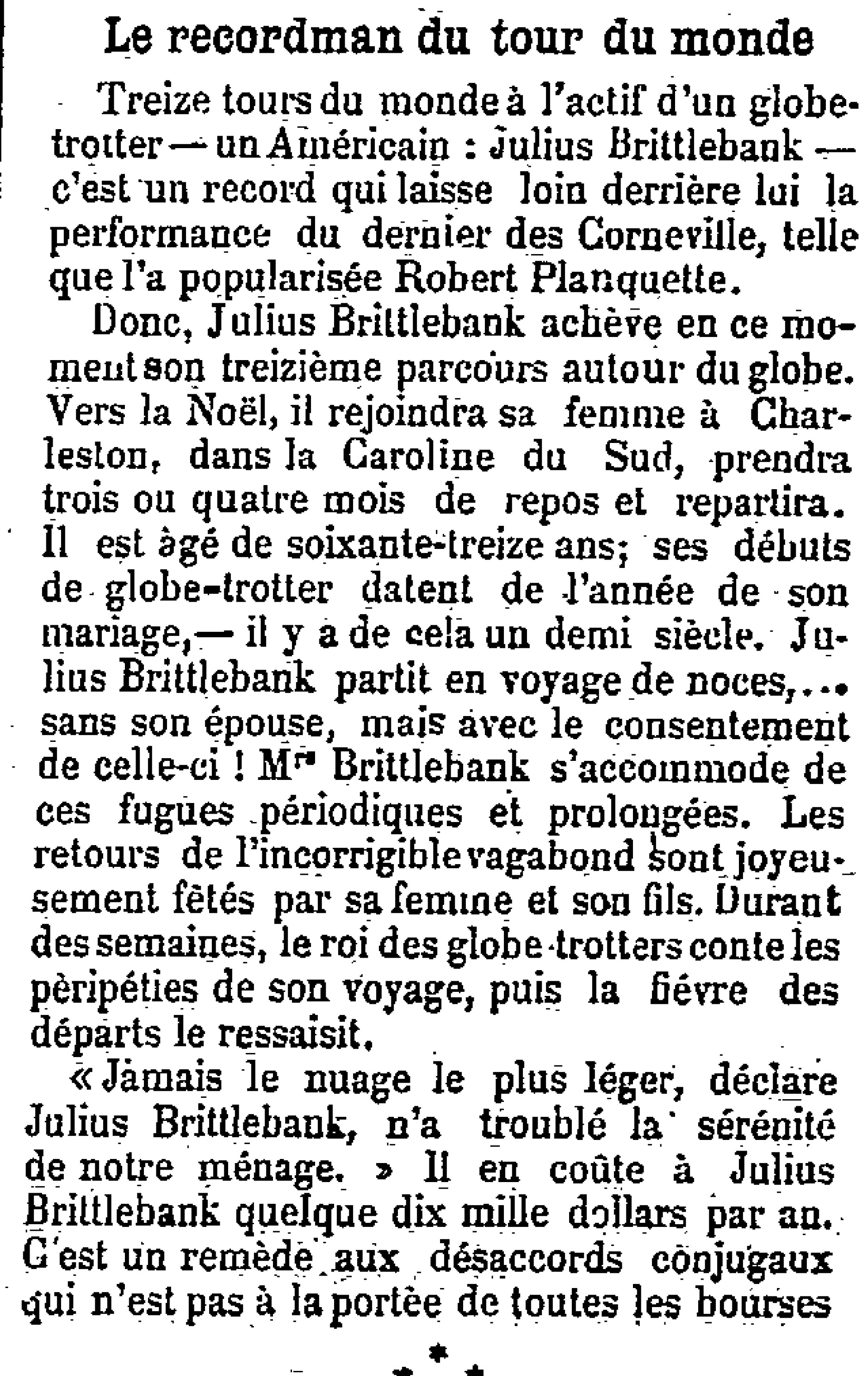
- Description: Julius Brittiebank, an American traveler from South Carolina, was described in early 20th-century French press as the “king of globe-trotters”. At 73, he had already completed thirteen journeys around the world, a record at the time. His travels began the very year of his marriage, about half a century earlier, when he set off on his honeymoon without his wife, though with her consent. Each return was joyously celebrated by his wife and son before he was seized again by the fever of departure. Brittiebank declared that “never the slightest cloud has disturbed the serenity of our marriage”. His adventures, costing him roughly $10,000 annually, were recounted for weeks to his family and friends until his next departure
- Alias-Pseudonimo-Pseudonyme: -
- Nationality-Nazionalità-Nationalité: USA
- Birth/death-Nascita/morte-Naissance/mort: 1859-1937
- Means of transport-Mezzo di trasporto-Moyen de transport: Various, Diversi, Différents
- Geographical description-Riferimento geografico-Référence géographique: Around the World, Giro del mondo, Tour du monde
- Additional references-Riferimenti complementari-Références complémentaires: La Gazette du Nord, November 19, 1932.

- Details
- Hits: 2804
- Description: Sarah Marquis is a Swiss adventurer and explorer who has been walking solo through the harshest and most remote environments for over two decades. In 2000, she crossed the United States on foot - covering approximately 4,260 km in four months and six days. Between 2002 and 2003, she completed an 14,000 km trek across the Australian outback in 17 months. In 2006, she hiked the Andes from Chile to Machu Picchu - a 7,000 km journey over eight months. Her most iconic endeavor, “ExplorAsia,” was a three-year expedition from Siberia to Australia between 2010 and 2013 - covering about 20,000 km (12,000 miles). In 2015, she spent three months surviving in the Kimberley region of Western Australia, walking 750-805 km across one of the world's last wilderness frontiers
- Alias-Pseudonimo-Pseudonyme: -
- Nationality-Nazionalità-Nationalité: Switzerland, Svizzera, Suisse
- Birth/death-Nascita/morte-Naissance/mort: 1972-
- Means of transport-Mezzo di trasporto-Moyen de transport: On foot, A piedi, A pied
- Geographical description-Riferimento geografico-Référence géographique: Around the World, Giro del mondo, Tour du monde
- Internet: http://www.sarahmarquis.ch
- Wikidata: https://www.wikidata.org/wiki/Q17305570
- Additional references-Riferimenti complementari-Références complémentaires: Marquis, Sarah. The desert hiker: 14000 km on foot across the australian outback. Verbier, Eucalype, 2007. Marquis, Sarah. Sauvage par nature: 3 ans de marche extrême en solitaire de Sibérie en Australie. Paris: Michel Lafon, 2014.
- Details
- Hits: 3150
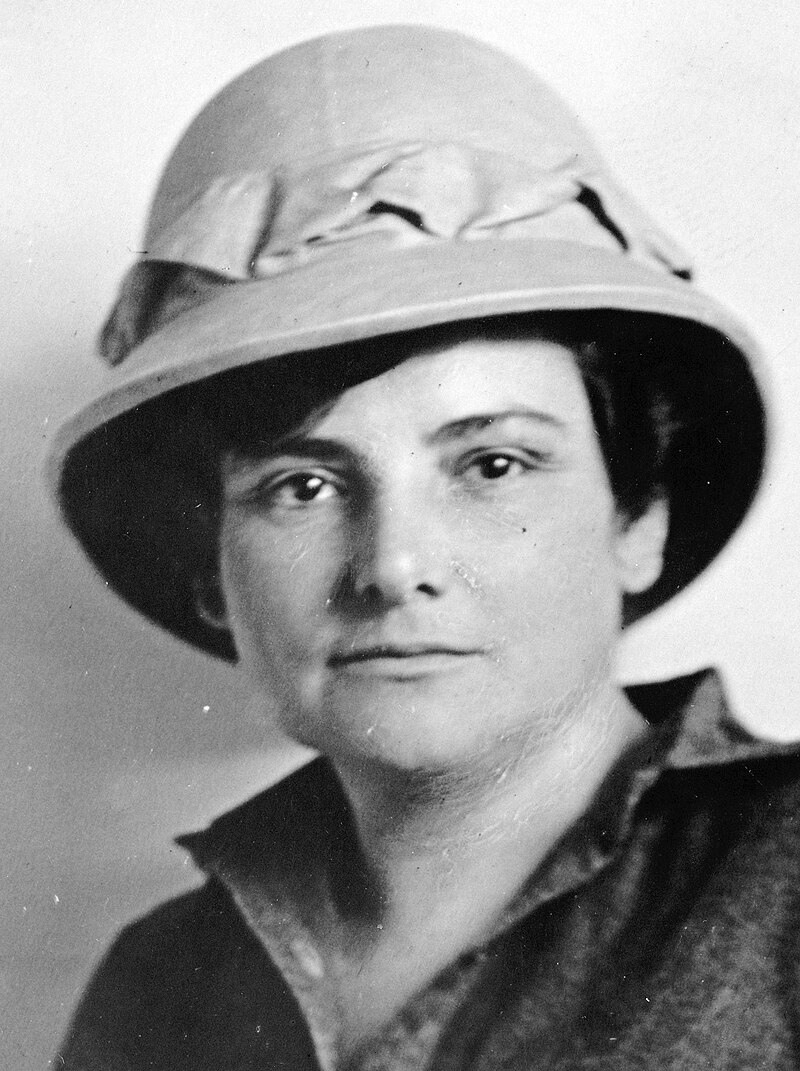
- Description: Harriet Chalmers Adams was an American explorer, writer, and photographer, hailed as one of the most influential female travelers of her era. Raised in California, she began exploring the Sierra Nevada by horseback as a child. In 1900, she and her husband embarked on a three-year South American expedition, visiting every country and traversing the Andes, mostly on horseback. Between 1907 and 1935, she authored 21 National Geographic articles, richly illustrated with her own photographs, and became known for her engaging lectures featuring colored slides and films. In 1925 she helped establish the Society of Woman Geographers, serving as its first president until 1933. She traveled over 100,000 miles (160,000 km)
- Alias-Pseudonimo-Pseudonyme: -
- Nationality-Nazionalità-Nationalité: USA
- Birth/death-Nascita/morte-Naissance/mort: 1875-1937
- Means of transport-Mezzo di trasporto-Moyen de transport: Various, Diversi, Différents
- Geographical description-Riferimento geografico-Référence géographique: Various, Diversi, Différents
- Internet: https://en.wikipedia.org/wiki/Harriet_Chalmers_Adams
- Wikidata: https://www.wikidata.org/wiki/Q670843
- Details
- Hits: 2358
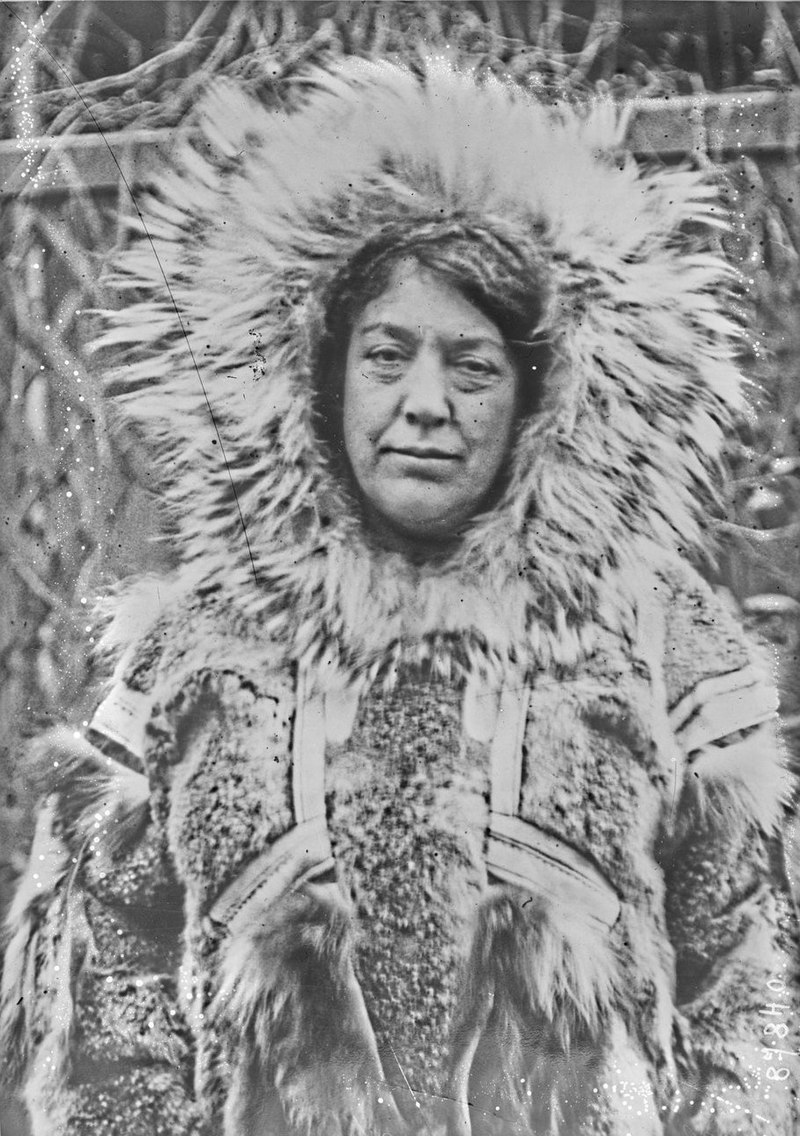
- Description: Charlotte Cameron, born Wales‑Almy, was an American-born traveler who reinvented herself as a British aristocrat. She was among the first women to walk parts of Africa - circling approximately 20,000 miles (32,000 km) - and documented colonial injustices. Her travels spanned Scotland (1893), Australia (1921), Alaska, Mexico, and South America. She became a Fellow of the Royal Geographical Society in 1913 and was awarded the Order of the British Empire after World War I. She preferred to be considered a traveler rather than an explorer
- Alias-Pseudonimo-Pseudonyme: Lady Cameron
- Nationality-Nazionalità-Nationalité: UK, Inglese, Anglais
- Birth/death-Nascita/morte-Naissance/mort: -
- Means of transport-Mezzo di trasporto-Moyen de transport: Various, Diversi, Différents
- Geographical description-Riferimento geografico-Référence géographique: Various, Diversi, Différents
- Internet: https://en.wikipedia.org/wiki/Charlotte_Cameron
- Wikidata: https://www.wikidata.org/wiki/Q18875494
- Additional references-Riferimenti complementari-Références complémentaires: Cameron, Charlotte (Mrs.). A Woman’s Winter in Africa: A 26,000‑Mile Journey. 1913.