
- Dettagli
- Visite: 1031
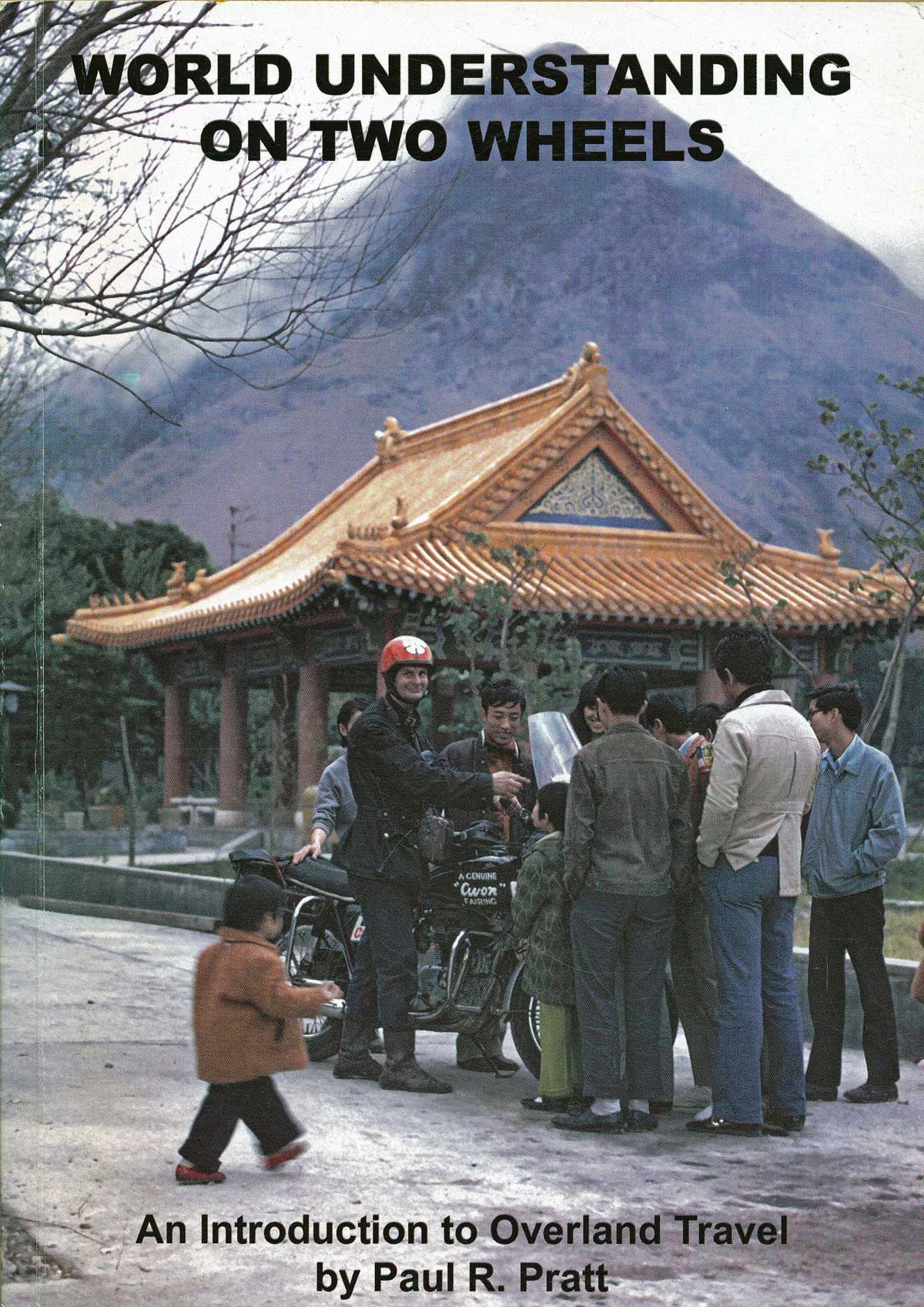
- Descrizione: Paul Pratt è stato un motociclista britannico di lunga percorrenza. Tra il 1966 e il 1979, nell'arco di dodici anni e mezzo, ha viaggiato attraverso 48 paesi su cinque continenti su una Triumph Thunderbird 650 cc, percorrendo 185'000 km (115'000 miglia) - un record mondiale per il viaggio continuativo in moto all'epoca. Durante il viaggio è stato colpito da un proiettile e ha contratto varie malattie tropicali. Ha autopubblicato il suo resoconto nel 1976 come World Understanding on Two Wheels: An Introduction to Overland Travel, investendo denaro proprio per stampare e distribuire il libro. Era ancora in sella alla sua Triumph Thunderbird poco prima della morte nel 2010, all'età di 84 anni
- Alias-Pseudonimo-Pseudonyme: -
- Nationality-Nazionalità-Nationalité: UK, Inglese, Anglais
- Birth/death-Nascita/morte-Naissance/mort: -
- Means of transport-Mezzo di trasporto-Moyen de transport: Motorbike, Motocicletta, Moto
- Geographical description-Riferimento geografico-Référence géographique: Around the World, Giro del mondo, Tour du monde
- Additional references-Riferimenti complementari-Références complémentaires: Pratt, Paul R. World Understanding on Two Wheels: An Introduction to Overland Travel. Alemar-Phoenix Publishing, 1976.
- Dettagli
- Visite: 1031
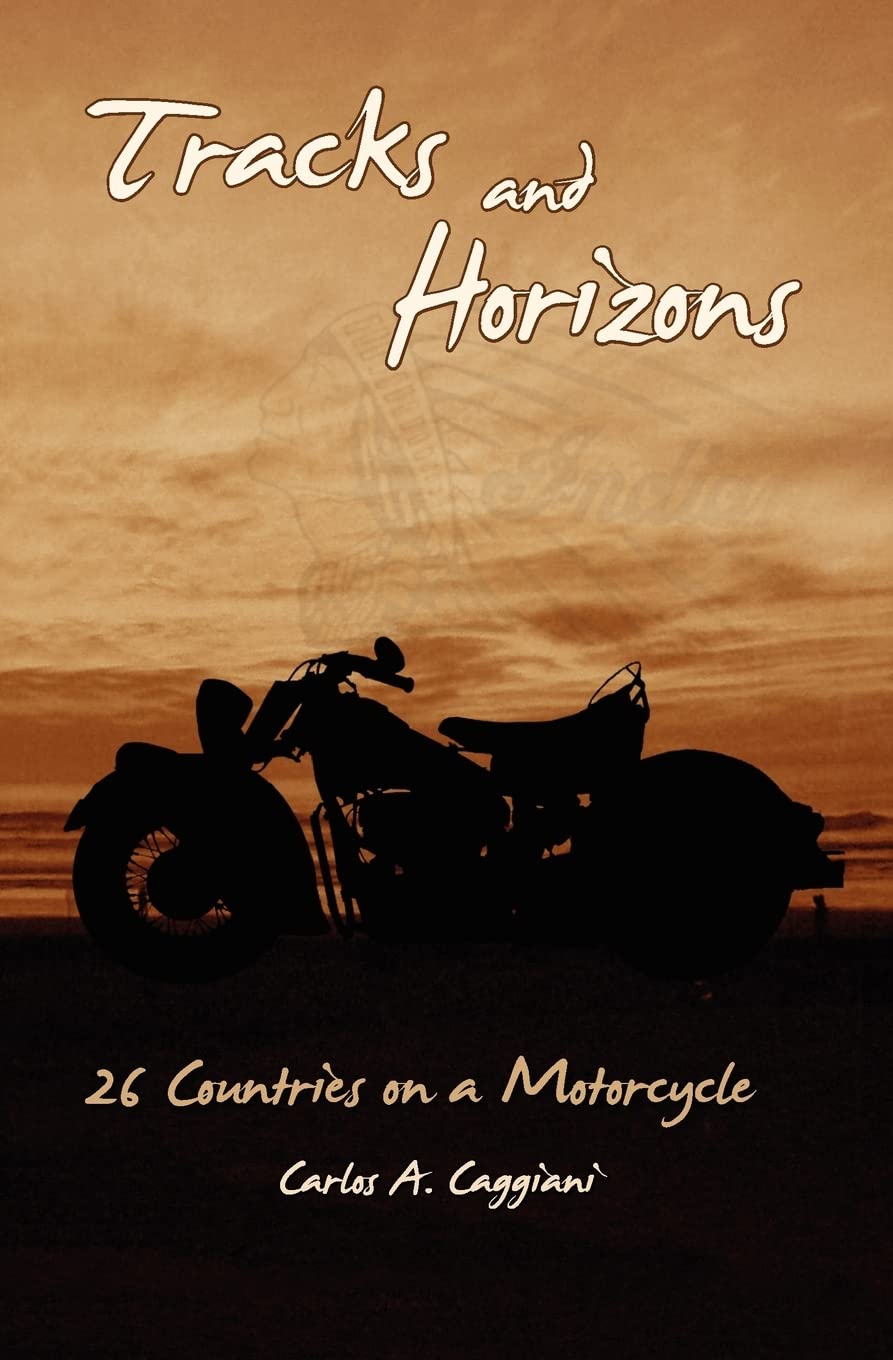
- Descrizione: Nel 1964, a 24 anni e con pochi mezzi, Caggiani è partito da Montevideo su una Indian Chief del 1947 con Capelo come passeggero, percorrendo verso nord la Bolivia - dove sono stati presi a fucilate durante un conflitto rivoluzionario - la Colombia, dove hanno sofferto la fame, e Panama, dove un grave guasto meccanico ha lasciato Caggiani ricoverato in ospedale per 17 giorni. Hanno proseguito fino a San Francisco e poi verso est fino a New York, dove si sono separati dopo che Capelo è stato ricercato dall'FBI. Caggiani ha continuato da solo attraverso l'Europa occidentale, dove la motocicletta è stata rubata a Roma. A metà del 1966, dopo un ulteriore incidente, è rientrato in patria da Lisbona via nave. Il viaggio ha attraversato 26 paesi
- Alias-Pseudonimo-Pseudonyme: -
- Nationality-Nazionalità-Nationalité: -
- Birth/death-Nascita/morte-Naissance/mort: -
- Means of transport-Mezzo di trasporto-Moyen de transport: Motorbike, Motocicletta, Moto
- Geographical description-Riferimento geografico-Référence géographique: Various, Diversi, Différents
- Internet: https://tracksandhorizons.tumblr.com
- Additional references-Riferimenti complementari-Références complémentaires: Caggiani, Carlos A. Huellas y Horizontes. 2009. Caggiani, Carlos A.; Caggiani, Ed (trad.). Tracks and Horizons: 26 Countries on a Motorcycle. 2010.
- Dettagli
- Visite: 992
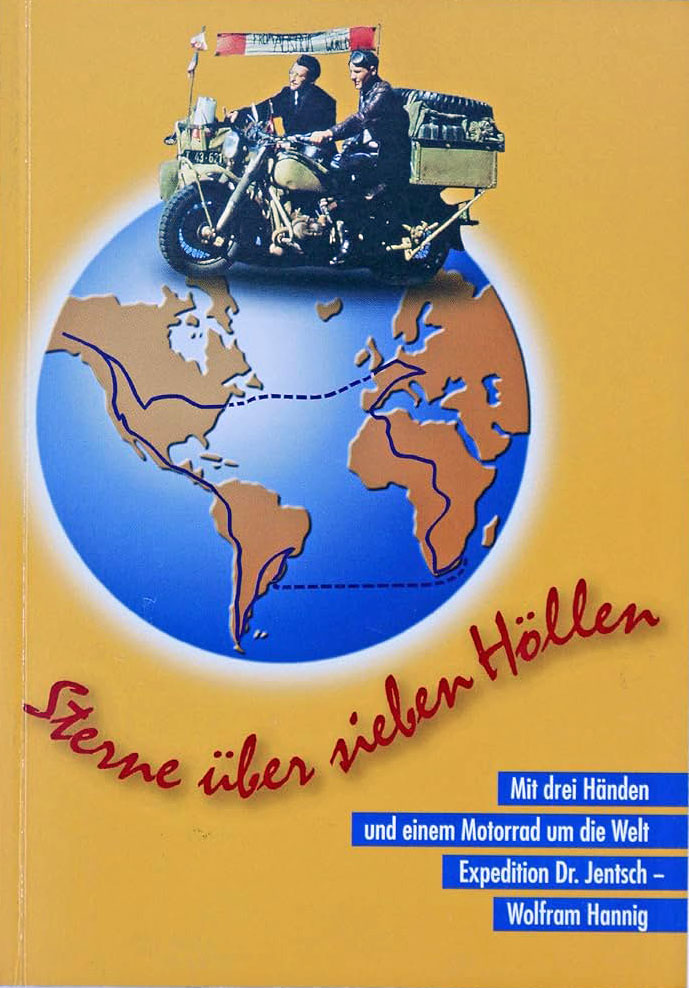
- Descrizione: Il dottor August Jentsch e Wolfram Hannig erano motociclisti austriaci di lunga percorrenza. Tra il 1953 e il 1956 hanno completato un viaggio di circa 120'000 km (75'000 miglia) da Monaco su un sidecar BMW R75 della Seconda Guerra Mondiale - un ex veicolo dell'Afrika Korps. Il percorso è sceso attraverso l'Africa occidentale - probabilmente la prima traversata motociclistica di quella rotta - e ha proseguito attraverso Sud America, America Centrale e Nord America. Il nome del compagno viene talvolta reso in inglese come "Tungsten Hannig", Tungsten essendo la traduzione inglese del nome tedesco Wolfram. Jentsch ha raccontato il viaggio in una trilogia autopubblicata: Sterne über sieben Höllen (1957, ristampato 2001), Im Lande des Silberdollars (1958) e Nach Tausend Tagen (1959)
- Alias-Pseudonimo-Pseudonyme: -
- Nationality-Nazionalità-Nationalité: Austria
- Birth/death-Nascita/morte-Naissance/mort: -
- Means of transport-Mezzo di trasporto-Moyen de transport: Motorbike, Motocicletta, Moto
- Geographical description-Riferimento geografico-Référence géographique: Various, Diversi, Différents
- Additional references-Riferimenti complementari-Références complémentaires: Jentsch, August. Sterne über sieben Höllen. Autopubblicato, 1957. Jentsch, August. Im Lande des Silberdollars. 1958. Jentsch, August. Nach Tausend Tagen. 1959.
- Dettagli
- Visite: 1056
- Descrizione: Ding Peterboro e Val Teddington erano motociclisti britannici di lunga percorrenza. Nel 1954-55 hanno intrapreso un viaggio in moto intorno al mondo su una Norton, partendo dal Regno Unito e percorrendo via terra fino allo Sri Lanka, per poi proseguire attraverso Indonesia, Australia, Nuova Zelanda e Fiji fino a raggiungere la California, USA, dove sono stati menzionati su un giornale locale Pacific Palisades. Il resto del percorso è sconosciuto
- Alias-Pseudonimo-Pseudonyme: -
- Nationality-Nazionalità-Nationalité: UK, Inglese, Anglais
- Birth/death-Nascita/morte-Naissance/mort: -
- Means of transport-Mezzo di trasporto-Moyen de transport: Motorbike, Motocicletta, Moto
- Geographical description-Riferimento geografico-Référence géographique: Around the World, Giro del mondo, Tour du monde
- Internet: https://overlandmag.com/resources/history-2/history-1950s/
- Dettagli
- Visite: 980
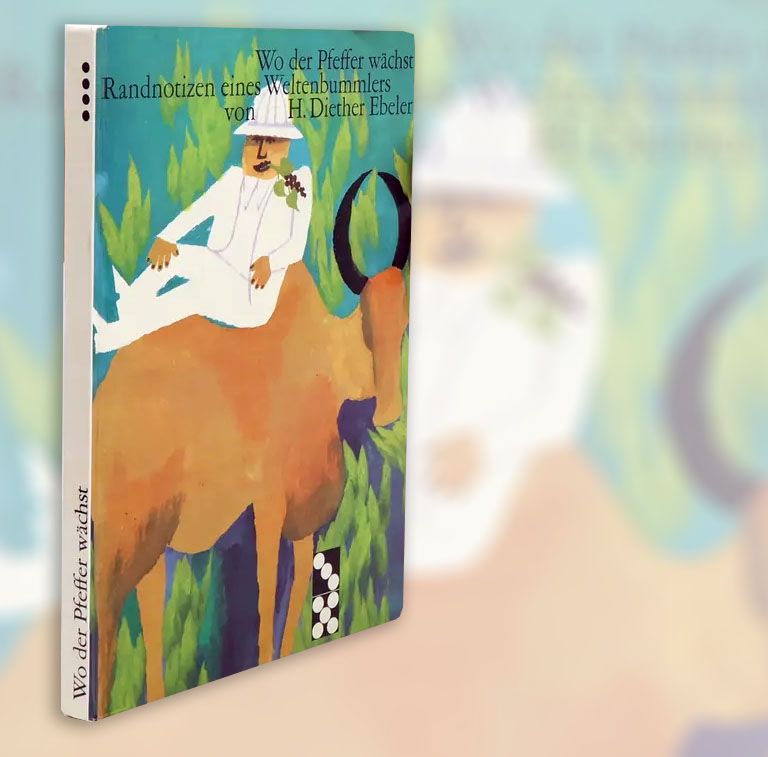
- Descrizione: Diether H. Ebeler era un motociclista tedesco di lunga percorrenza. Tra il 1952 e il 1956 ha completato un viaggio attraverso 42 paesi su quattro continenti su una Vespa Hoffmann con rimorchio, accompagnato da una compagna non identificata, descritta come una Contessa. Il percorso ha coperto Europa, Africa del Nord, il Golfo Arabico, Pakistan e India, e Nord America. Ha raccontato il viaggio in Randnotizen eines Weltenbummlers ("Note a margine di un globetrotter"), i cui dati editoriali non sono completamente documentati nelle fonti disponibili
- Alias-Pseudonimo-Pseudonyme: -
- Nationality-Nazionalità-Nationalité: Germany, Germania, Allemagne
- Birth/death-Nascita/morte-Naissance/mort: -
- Means of transport-Mezzo di trasporto-Moyen de transport: Vespa
- Geographical description-Riferimento geografico-Référence géographique: Around the World, Giro del mondo, Tour du monde
- Additional references-Riferimenti complementari-Références complémentaires: Ebeler, Diether H. Randnotizen eines Weltenbummlers.
- Dettagli
- Visite: 992
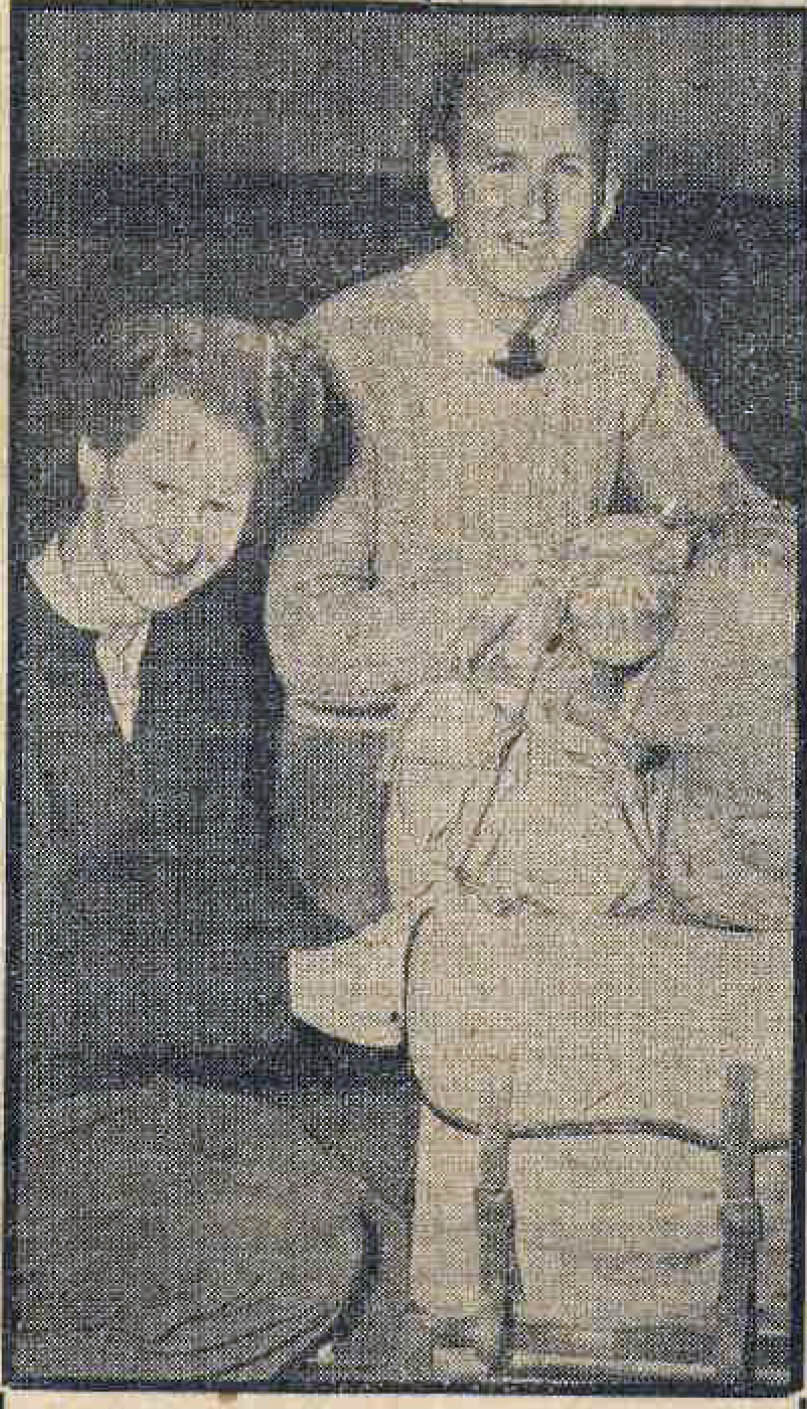
- Descrizione: Joan e Keith McDonald erano novelli sposi neozelandesi che nel 1952 sono partiti dalla Nuova Zelanda per un viaggio in moto intorno al mondo della durata di tre anni, attraverso 40 paesi su due Jawa CZ da 125 cc. Il percorso è iniziato con una traversata marittima verso Australia e Tasmania, poi in nave verso Ceylon, e via terra attraverso India, Pakistan, Afghanistan, Persia (Iran), Iraq, Israele, Giordania, Egitto, Libia, Tunisia, Algeria e Marocco, prima di attraversare il mare verso la Spagna. Hanno poi percorso Gibilterra, Francia, Italia, Austria, Cecoslovacchia, Germania, Belgio, Paesi Bassi, Gran Bretagna e Portogallo. In seguito hanno raggiunto il Sud America, percorrendo via terra Argentina, Bolivia, Perù, Ecuador, Colombia, Panama, Costa Rica, Nicaragua, Honduras, El Salvador, Guatemala e Messico, per poi raggiungere Cuba, gli Stati Uniti e il Canada, completando il viaggio intorno al 1955
- Alias-Pseudonimo-Pseudonyme: -
- Nationality-Nazionalità-Nationalité: New Zealand, Nuova Zelanda, Nouvelle-Zélande
- Birth/death-Nascita/morte-Naissance/mort: -
- Means of transport-Mezzo di trasporto-Moyen de transport: Motorbike, Motocicletta, Moto
- Geographical description-Riferimento geografico-Référence géographique: Around the World, Giro del mondo, Tour du monde
- Internet: https://www.berndtesch.de/English/Continents/WorldAround/WorldAroundMotorcycle1951-1970.html
- Additional references-Riferimenti complementari-Références complémentaires: The Daily News, May 10, 1952.
- Dettagli
- Visite: 1081
- Descrizione: Eitel Lange era un fotografo tedesco che aveva prestato servizio come fotografo ufficiale del Reichsmarschall Hermann Göring durante la Seconda Guerra Mondiale. Tra il 1952 e il 1954, insieme al figlio Rolf Lange, ha completato un viaggio intorno al mondo su una Zündapp KS 601 bicilindrica piatta da 597 cc e 28 cv con sidecar Steib, soprannominata "Taksy" - nome derivato, secondo Bernd Tesch, da "take it easy". Il percorso ha coperto l'Europa (Germania, Austria, Italia, Grecia, Turchia), l'Asia (Iran, Pakistan, India, Ceylon, poi in nave verso Singapore, Hong Kong e Giappone, percorrendo il Giappone in moto), e le Americhe (in nave verso le Hawaii, poi il Nord America, con ritorno in Europa via mare). Durante il viaggio hanno intervistato la star del cinema Errol Flynn e incontrato lo Shah Mohammed Reza Pahlavi dell'Iran. Il sidecar "Taksy" è esposto in modo permanente al Museo Tedesco della Motocicletta di Neckarsulm. Il viaggio ha contribuito significativamente allo status leggendario della Zündapp KS 601, nota come "Elefante Verde". Nel 1956-57, Eitel Lange e sua moglie Ilse hanno completato un ulteriore viaggio di un anno intorno al mondo, questa volta a bordo di una microcar Goggomobil T 300
- Alias-Pseudonimo-Pseudonyme: -
- Nationality-Nazionalità-Nationalité: Germany, Germania, Allemagne
- Birth/death-Nascita/morte-Naissance/mort: -
- Means of transport-Mezzo di trasporto-Moyen de transport: Motorbike, Motocicletta, Moto
- Geographical description-Riferimento geografico-Référence géographique: Around the World, Giro del mondo, Tour du monde
- Additional references-Riferimenti complementari-Références complémentaires: Lange, Eitel. Weltfahrt: Mit Motorrad und Kamera. 1954. Trad. inglese: Around the World with Motorcycle and Camera. Los Angeles: Floyd Clymer Publications, 1957.

- Dettagli
- Visite: 1070
- Descrizione: John Lennox Cook era un insegnante britannico; Tim Hamilton-Fletcher era un agricoltore britannico. Nel 1951 i due amici hanno completato un viaggio in moto intorno al mondo partendo da Londra su due Norton Dominator 500 cc, percorrendo 30'800 km (19'150 miglia) via terra in 93 giorni di guida e altri 24'000 km (15'000 miglia) via mare in 31 giorni di navigazione. Il percorso e l'itinerario esatti non sono completamente documentati nelle fonti disponibili. Lennox Cook ha raccontato il viaggio in The World Before Us, pubblicato nel 1956
- Alias-Pseudonimo-Pseudonyme: -
- Nationality-Nazionalità-Nationalité: UK, Inglese, Anglais
- Birth/death-Nascita/morte-Naissance/mort: -
- Means of transport-Mezzo di trasporto-Moyen de transport: Motorbike, Motocicletta, Moto
- Geographical description-Riferimento geografico-Référence géographique: Around the World, Giro del mondo, Tour du monde
- Additional references-Riferimenti complementari-Références complémentaires: Cook, John Lennox. The World Before Us. London: Quality Book Club, 1956.
- Dettagli
- Visite: 779
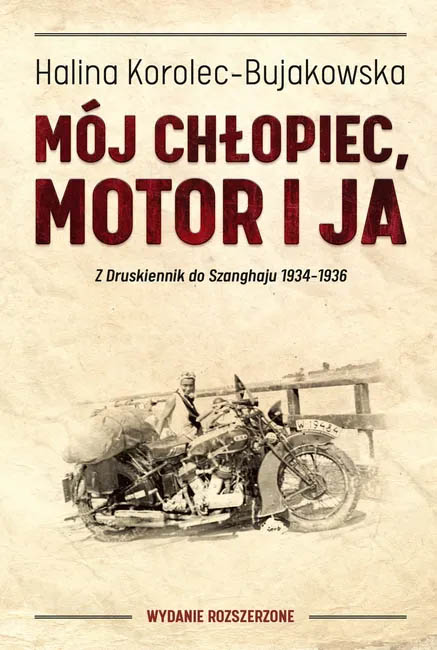
- Descrizione: Stanisław Bujakowski (nato il 10 marzo 1906 a Druskininkai) e Halina Korolec-Bujakowska (nata l'8 ottobre 1907 a Vilnius) erano una coppia polacca che ha intrapreso il viaggio di nozze in motocicletta da Druskininkai - allora Polonia orientale, oggi Lituania - fino a Shanghai, Cina. Il 19 agosto 1934 sono partiti su una motocicletta BSA bicilindrica con sidecar, con Stanisław alla guida e Halina come passeggera e cronista, portando con sé una macchina da scrivere per tutto il viaggio. Dopo 19 mesi e circa 24'000 km attraverso Polonia, Germania, Austria, Balcani, Turchia, Siria, Iraq, Persia, India, Birmania e Indocina, hanno raggiunto Shanghai il 15 marzo 1936. Stanisław è rimasto a Shanghai come corrispondente di guerra per il conflitto sino-giapponese; Halina è tornata in Polonia nel 1937. La motocicletta è rimasta in Cina. I loro resoconti sono stati pubblicati sulla stampa polacca durante il viaggio - sul Kurier Wileński, Świat, Times of India e South China Morning Post - e il diario di Halina è stato pubblicato in Polonia nel 2011
- Alias-Pseudonimo-Pseudonyme: -
- Nationality-Nazionalità-Nationalité: Poland, Polonia, Pologne
- Birth/death-Nascita/morte-Naissance/mort: -
- Means of transport-Mezzo di trasporto-Moyen de transport: Motorbike, Motocicletta, Moto
- Geographical description-Riferimento geografico-Référence géographique: Asia
- Internet: https://lukaszwierzbicki.pl/ksiazki/moj-chlopiec-motor-i-ja/
- Additional references-Riferimenti complementari-Références complémentaires: Korolec-Bujakowska, Halina. Mój chłopiec, motor i ja. Z Druskiennik do Szanghaju 1934-1936. Warszawa: Wydawnictwo WAB, 2011.